

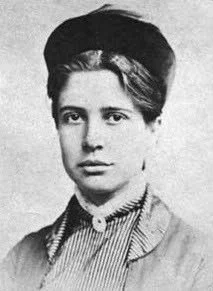
Florence Kelley
Activist
Florence Kelley is remembered as a pioneer in social justice and one of the most influential figures of the Progressive Era in the United States. Her work as a social reformer and advocate for labor rights cemented her legacy as a leader in the fight for better working conditions, especially for women and children. Her story reflects the power of intellectual rigor, political courage, and moral commitment in advancing the well-being of society.
Born on September 12, 1859, in Philadelphia, Kelley grew up in a family that valued education and justice. Her father, a Republican congressman, instilled in her from an early age a strong sense of social equity and respect for the law. This upbringing inspired Florence to pursue causes that challenged injustice. She attended Cornell University and later studied in Europe, where she was exposed to labor movements and socialist thought that deeply shaped her worldview.
Her life took a decisive turn when she joined Hull House in Chicago, a community center founded by Jane Addams. There she witnessed firsthand the harsh realities faced by immigrants and urban workers. In 1893, she was appointed chief factory inspector for the state of Illinois, becoming the first woman to hold such a position. In this role, she fought against child labor, promoted legislation limiting working hours for women and minors, and pushed for reforms that set important precedents for labor law across the nation.
Kelley’s activism extended far beyond inspections and legislation. She became a founding leader of the National Consumers League, where she promoted ethical consumerism as a tool for social change. Under her leadership, the organization launched campaigns to improve labor standards, particularly in the textile industry. She was an unwavering advocate for the eight-hour workday, fair wages, and government regulation to protect workers from industrial exploitation.
Alongside her activism, Florence was a prolific writer and intellectual. She published books and essays denouncing economic injustice and arguing for a more active role of government in social protection. Her influence resonated across generations, inspiring reformers and legislators well into the 20th century.
Florence Kelley passed away in 1932, leaving behind a legacy that continues to inspire. Her life demonstrates how passion for justice and dedication to public service can transform oppressive systems. Today, she is remembered as one of the architects of American labor reform and a voice ahead of her time in the struggle for gender equity and human rights.